
Why Fault Shapes Your Claim
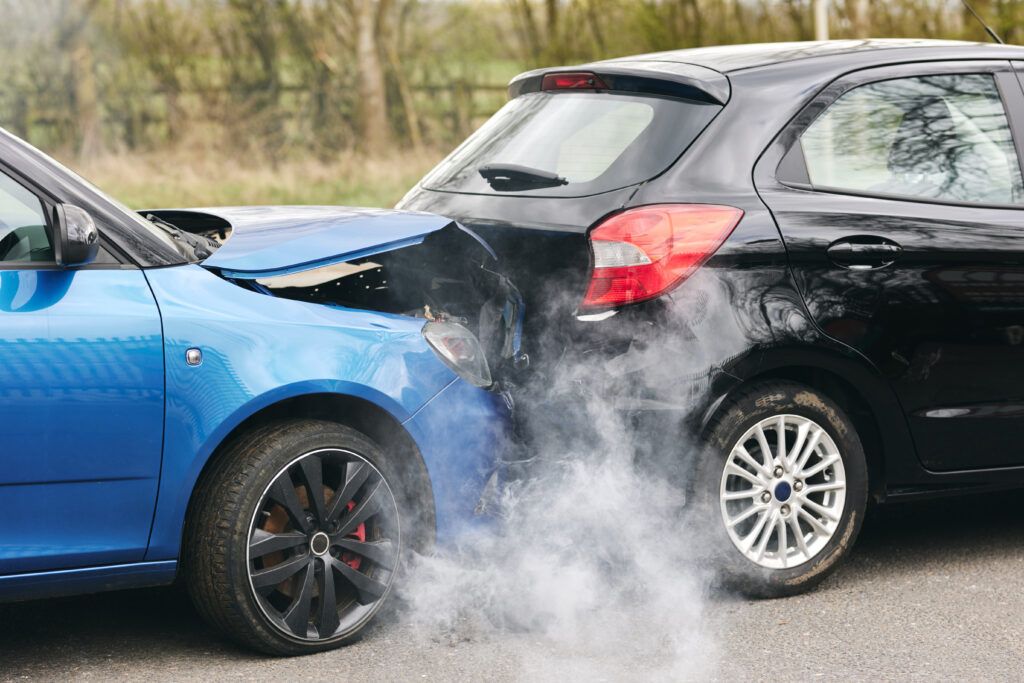
A rear-end crash can leave you with neck pain, a damaged car, and a pile of questions. Determining fault in a rear-end collision in West Virginia often seems simple, but insurers rarely make it easy. At Fox Law Office, we help injured drivers understand their rights and pursue the results they deserve.
How Investigators Decide Who Caused the Crash
Most people assume the rear driver always carries the blame. In many cases, that assumption holds, because every driver must keep a safe following distance. Police officers, insurers, and courts throughout West Virginia review crash reports, vehicle damage, witness statements, and dashcam footage to piece together what happened.
When the Rear Driver May Not Be at Fault
Determining fault in a rear-end collision in West Virginia gets more complicated when the lead driver acts carelessly. The front driver may share the blame if they:
- Slam on the brakes for no reason
- Reverse suddenly into traffic
- Drive with broken brake lights
- Cut in front of another car without room
How Comparative Negligence Affects Your Compensation
West Virginia follows a modified comparative fault rule. A judge or jury assigns each driver a percentage of fault and reduces your award by your share. If you carry 20 percent of the blame for a $50,000 claim, you can still collect $40,000. However, you lose the right to recover if your fault reaches 50 percent or more. Fox Law Office fights insurers throughout West Virginia that try to shift blame onto injured clients.
Why You Need an Experienced Attorney
Fault disputes move fast, and insurers work hard to protect their bottom line — not yours. Attorney James Fox digs into the evidence, challenges inaccurate fault assessments, and builds a case that reflects the full impact of your injuries. When the other side pushes back, you want someone who knows exactly how to push harder.
You don’t have to handle the insurance companies on your own. For a free initial consultation, call Fox Law Office in Hurricane, WV at (304) 562-9202 or contact us online. Our team will guide you through determining fault in a rear-end collision in West Virginia.
This article is for general informational purposes only and is not legal advice. Laws and procedures can change, and the outcome of any legal matter depends on its specific facts.